Design Pain Points

HiFi Pain Points of Mainstream Router Design

The core pain points of mainstream wireless router design for HiFi applications

01

Highly Integrated SoC Architecture

Mainstream wireless network devices typically adopt a split architecture of a PMIC (power management IC) and the main SoC. To balance performance, power consumption, heat and cost, they usually combine multiple DC-DC switching regulators with LDOs.

Under this design philosophy, mainstream router SoCs highly integrate the CPU, network switching and processing engines, and depending on product positioning, integrate all or part of the functions of modules such as Ethernet PHY, Wi-Fi MAC and Wi-Fi Baseband into the main chip. Some high-performance products also use discrete wireless processors and external RF transceivers.

This highly integrated design helps reduce material cost, shrink PCB area, reduce peripheral connections and improve overall energy efficiency.
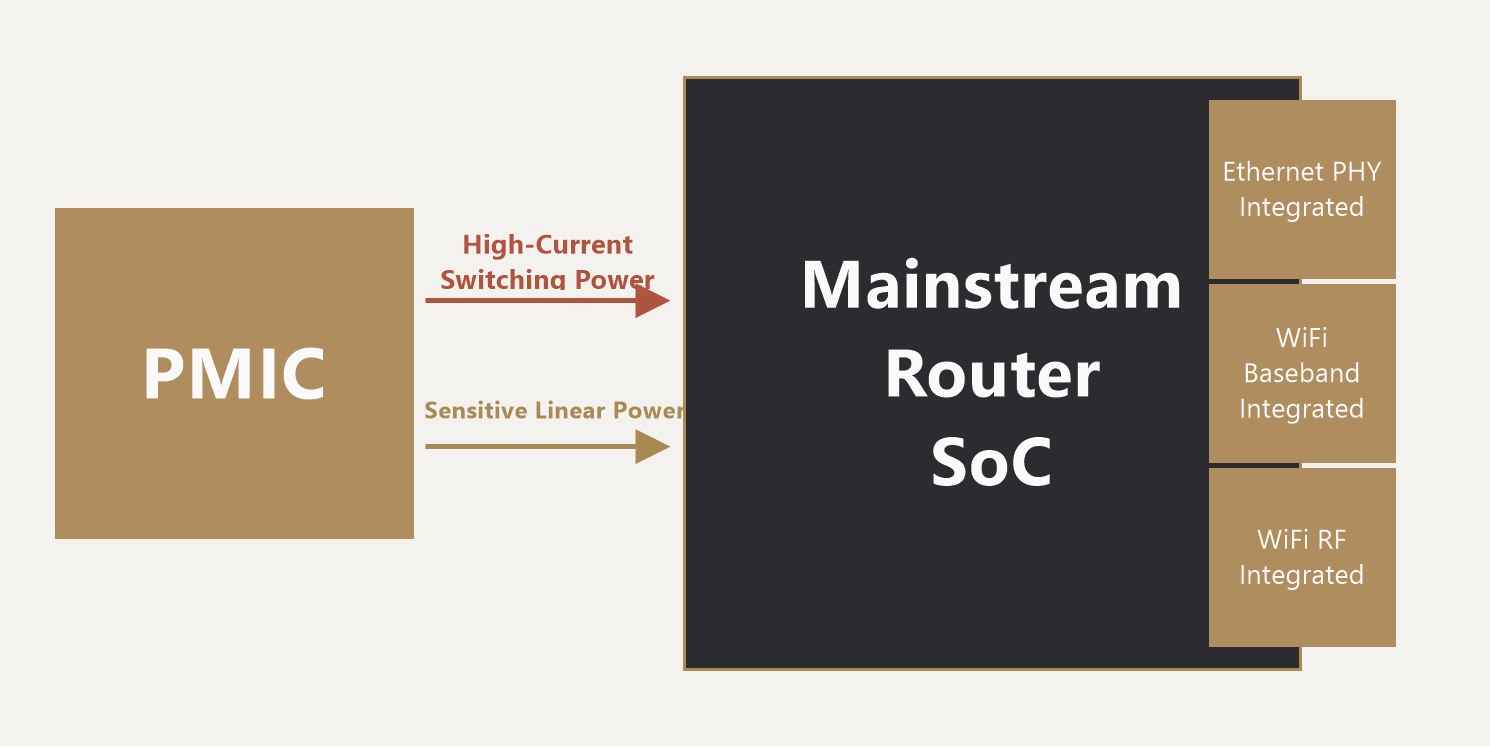
Mainstream wireless router architecture diagram
02

Complex Electromagnetic and Power Environment

For HiFi applications, the highly integrated architecture raises noteworthy engineering issues: circuits of very different natures — CPU, DDR, high-speed Ethernet, Wi-Fi baseband, RF transceivers and power amplifiers — are concentrated in a limited space, accompanied by complex dynamic loads and multi-band electromagnetic activity.

These functional modules can couple with each other through shared power impedance, ground planes, clock networks, chip substrates and radiated emissions. In particular, the high-frequency ripple and load transients of switching power supplies, together with Wi-Fi RF transmission activity, make the router one of the devices with the most complex electromagnetic and power-supply environments among home network equipment.

03

Architectural Limitations

Due to the high integration of the SoC, system designers cannot freely control the physical distance, power delivery paths and electromagnetic isolation between functional modules the way a discrete architecture allows. Although in-chip isolation and peripheral circuit optimization can reduce mutual interference, limitations remain at the architectural level.
The Solution

CelHeart-N1 Router Platform

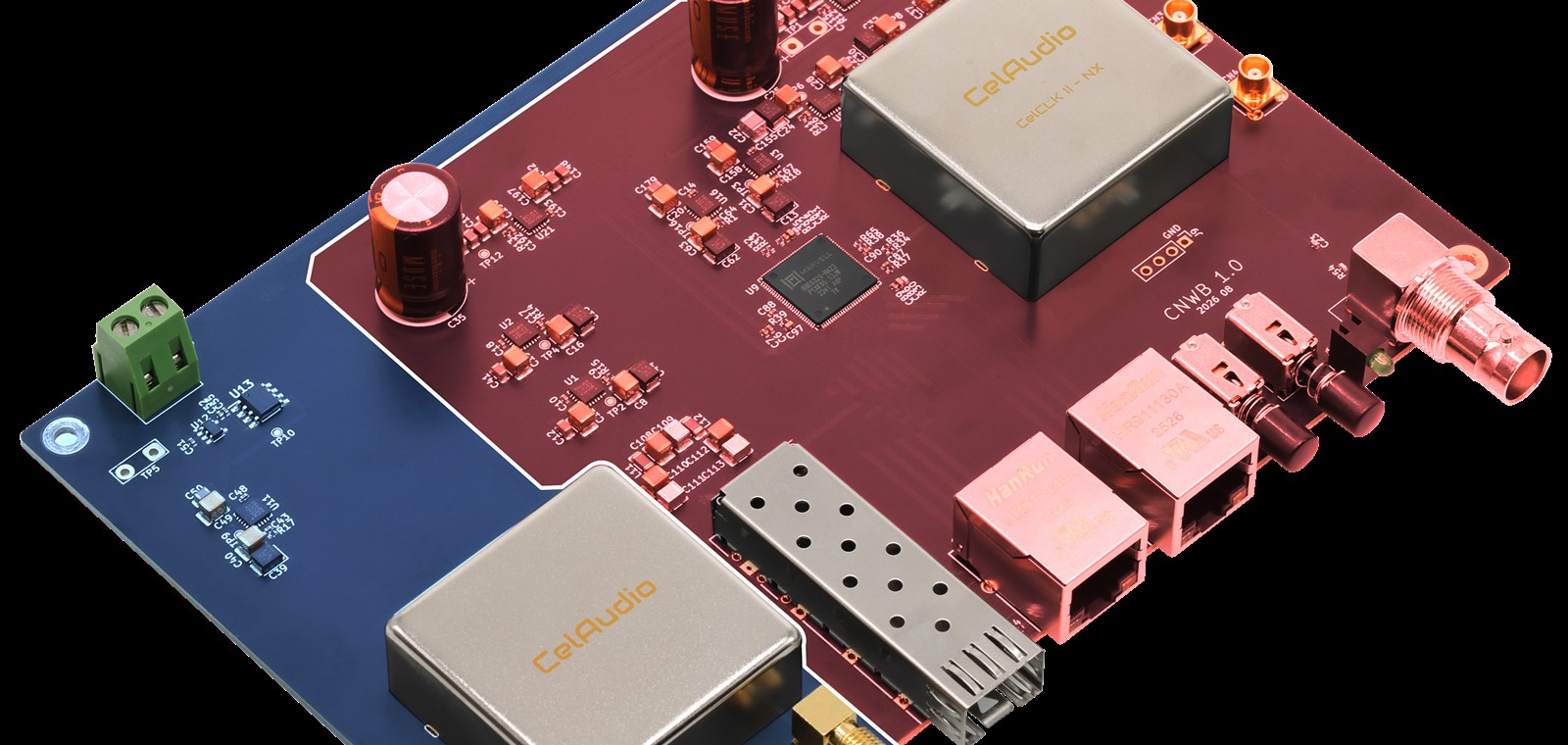
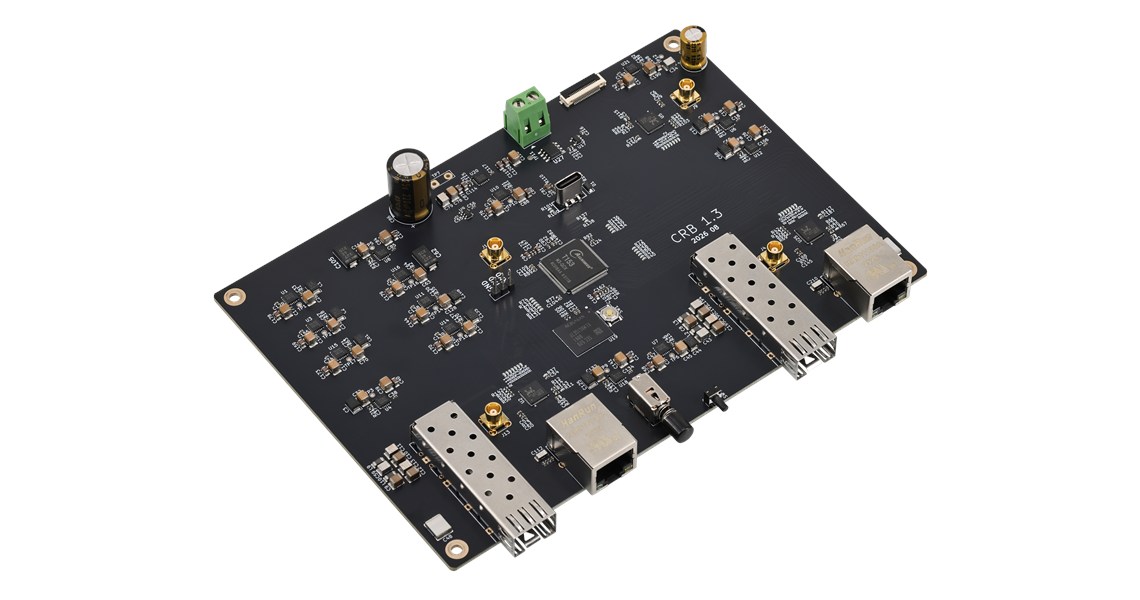
CelHeart-N1 mainboard

CelHeart-N1 — a router platform that is not built for benchmark scores, but focused on audio playback quality.

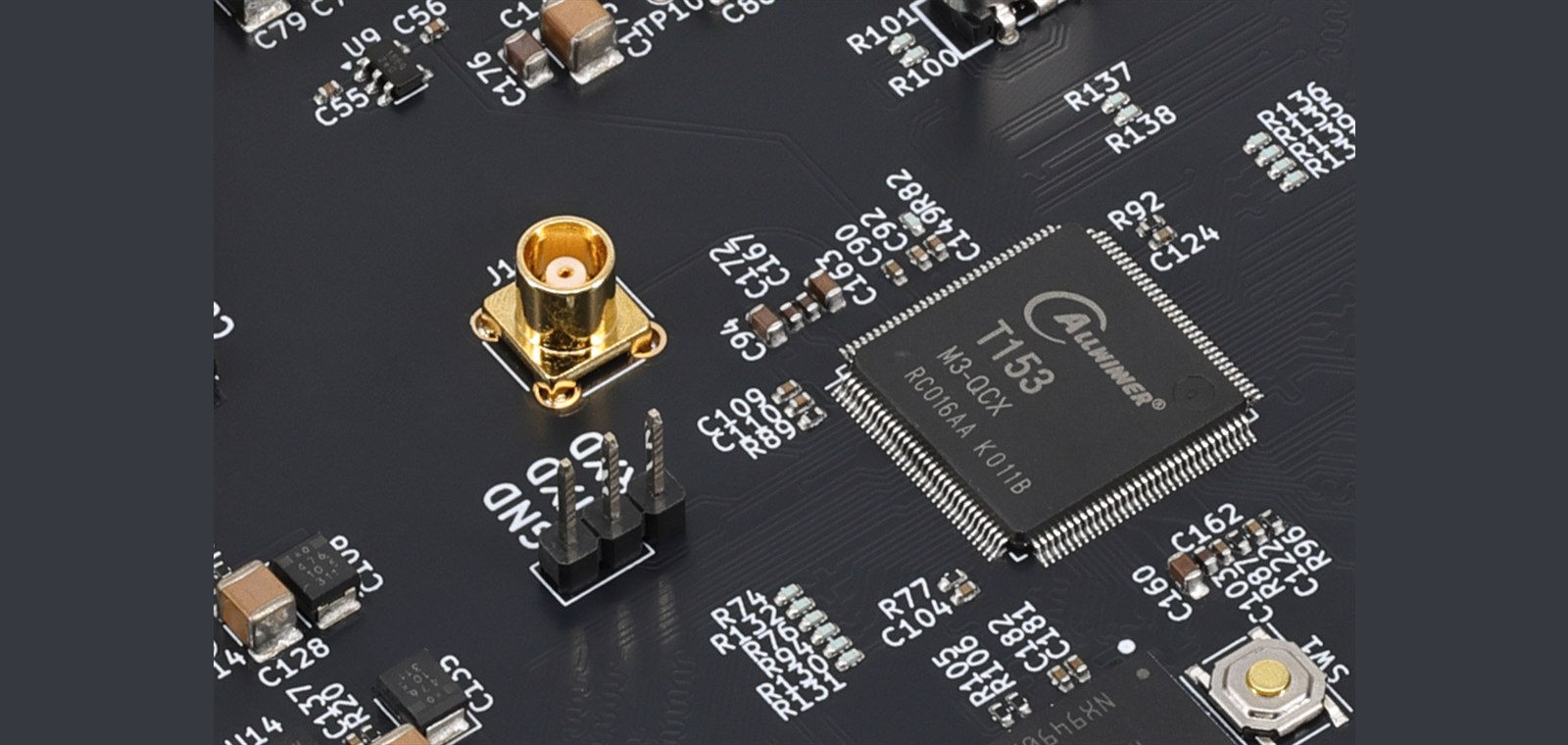
The platform uses the Allwinner T153 main processor with an all-LDO power architecture, places the WiFi module in an independent physical zone, provides dual gigabit optical/electrical combo Ethernet interfaces, and has its clock system centrally distributed and managed by the CelCLK PLL.

Five Core Designs
De-integrated Architecture All-LDO Power Independent WiFi Zone Optical/Electrical Combo Independent Clock
De-integrated Architecture

De-integrated Architecture

Facing the potential coupling problems brought by highly integrated mainstream designs, CelHeart-N1 takes a different direction: strip functional modules away from the main chip wherever possible, and establish independent power and physical boundaries for each module.

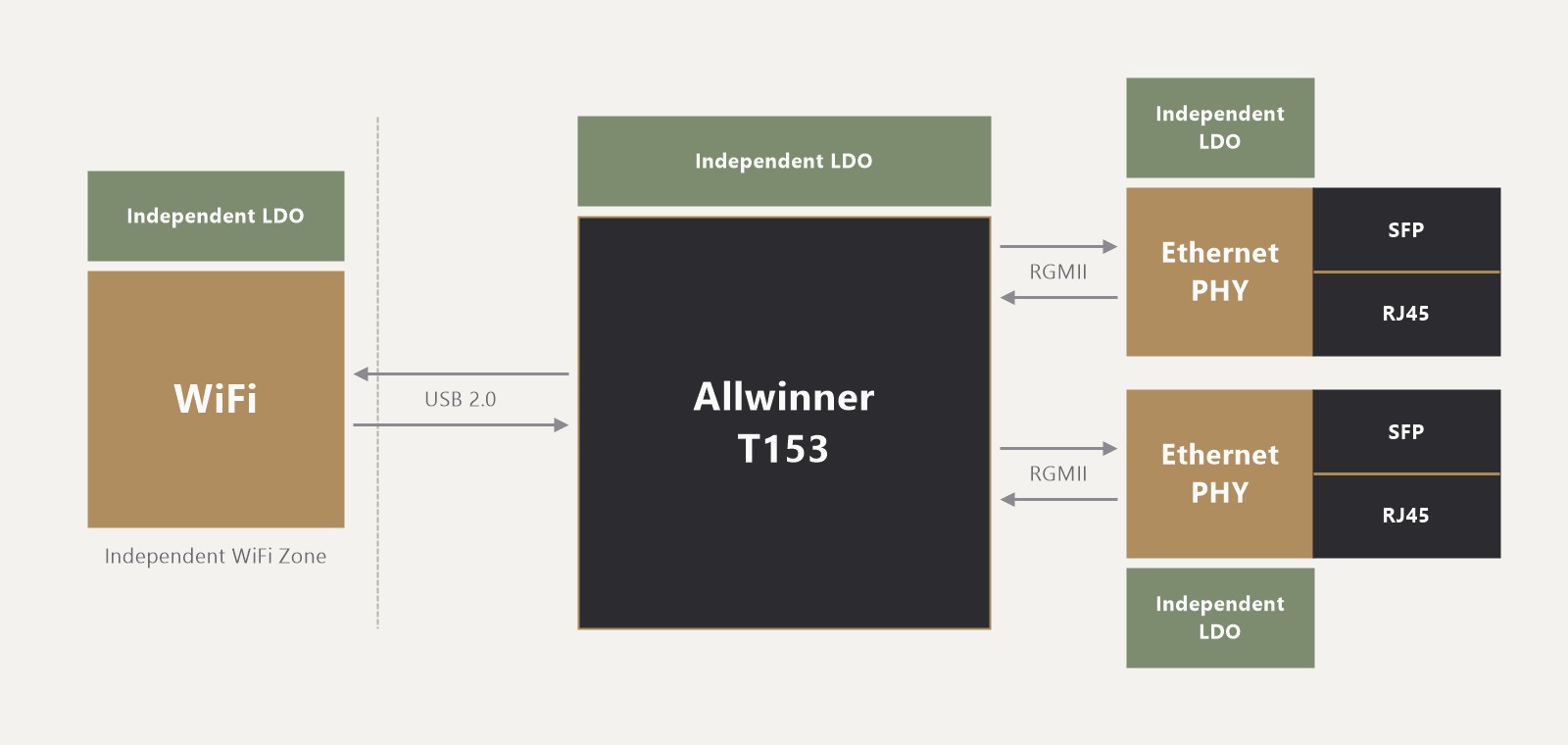
The Allwinner T153 main processor connects two independent gigabit PHYs via RGMII buses; the WiFi module sits in an independent WiFi zone, linked to the main controller only through USB 2.0; every functional module is powered by its own dedicated LDO — nothing is shared.

CelHeart-N1 de-integrated architecture diagram
Linear Power Supply

All-LDO Power Architecture

CelHeart-N1 uses the Allwinner T153 main processor. Thanks to the T153's built-in DDR, the power-up logic is greatly simplified — no dedicated PMIC is needed for complex multi-rail power sequencing, as the power-up sequence is managed through daisy-chained control of the LDO EN pins.

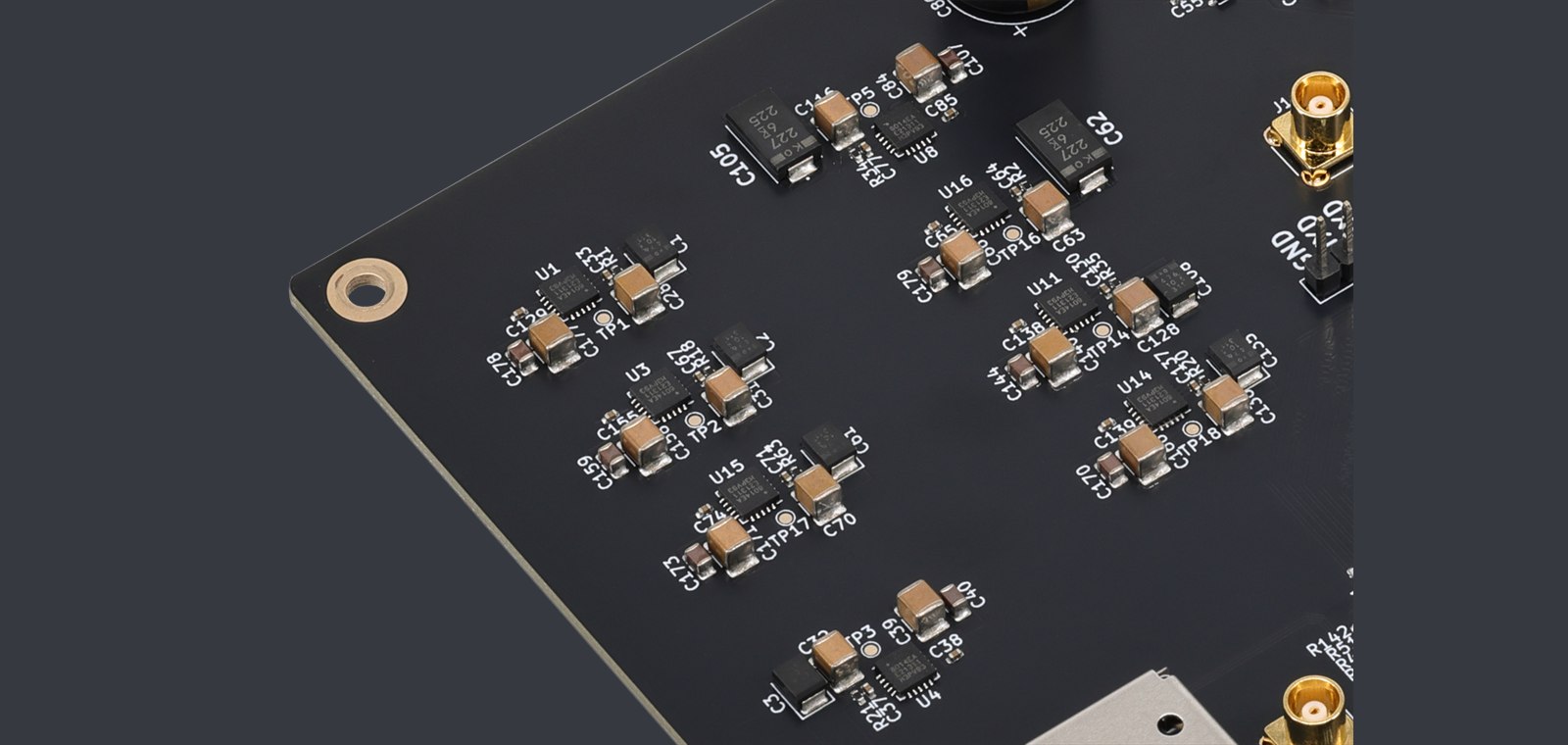
This allows us to abandon DC-DC switching regulators across the entire unit: every power rail is supplied by an LDO linear regulator, with more than 30 LDOs in total. By avoiding on-board DC-DC switching and regulating each functional module independently, switching noise and power coupling between modules are minimized.

All-LDO power supply
Independent WiFi Zone

Independent WiFi Zone

The WiFi module is completely separated from the main system, placed in its own physical zone, and powered by a dedicated LDO. Data is exchanged with the main system only through a single USB 2.0 channel.

For audio streaming, the bandwidth of this link is more than sufficient. In return, the RF subsystem is planned independently from the main system in both power and spatial dimensions, reducing mutual coupling between RF activity and the main system's digital circuits.

Independent WiFi Zone
Dual Gigabit Combo

Dual Gigabit Optical/Electrical Combo Interfaces

Each of the two Ethernet links carries its own independent gigabit PHY, and every power rail of each PHY is supplied by an independent LDO — nothing is shared.

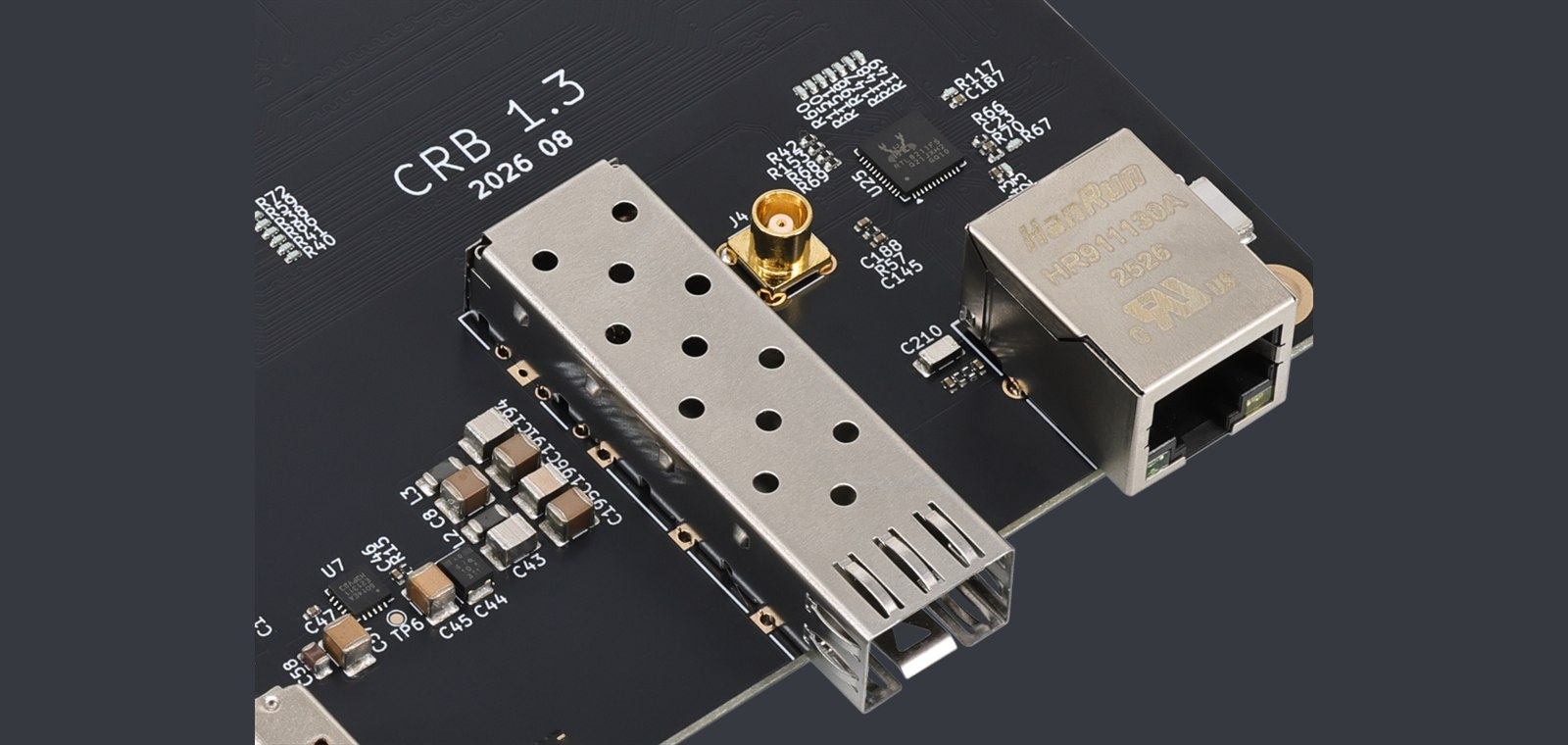
Both interfaces are optical/electrical combo designs, allowing the user to freely choose between RJ45 and SFP. When the optical port is used, fiber transmission completely cuts the conductive connection between the N1 and upstream network devices, achieving electrical isolation at both ends of the link.

Dual gigabit optical/electrical combo interfaces

From more than 30 LDOs to functional zoning, every trade-off in CelHeart-N1 is made not for benchmark scores, but for a single goal: to provide the cleanest, quietest possible power and electromagnetic environment for audio playback.

Clock Architecture

Independent Clock Architecture and CelCLK PLL

CelHeart-N1 carries on CelAudio's years of technical accumulation in independent clock systems. The T153 main controller and each of the three PHYs have their own independent clock channels, centrally distributed and managed by the CelCLK PLL clock system.

This is not simply adding a high-precision clock to one network interface — it brings an external clock reference into the entire network processing and transmission chain, providing a more complete hardware foundation for system clock stability and consistency.

CelCLK PLL clock system

Design Trade-offs

What CelHeart-N1 Can and Cannot Do

CelHeart-N1 is not a conventional router chasing every network performance metric. We deliberately gave up some seemingly taken-for-granted features and performance in exchange for a more controllable electromagnetic environment, more stable audio data transmission, and a better user experience

01

2.4GHz and 5GHz Cannot Work Simultaneously

The WiFi of CelHeart-N1 works differently from conventional wireless routers. By software design, WiFi can only operate on either the 2.4GHz or the 5GHz band, instead of enabling both bands at the same time like a traditional router.

This is a deliberate trade-off. Reducing the number of simultaneously active wireless bands lowers the complexity of RF activity and creates the conditions for further control of RF interference.

02

Wireless Throughput Limited to 280Mbps

Although CelHeart-N1 uses a WiFi chip supporting 802.11ax (Wi-Fi 6) with a theoretical wireless rate exceeding 1Gbps, the actual wireless throughput is limited to about 280Mbps (measured) because the chip connects to the main processor via USB 2.0.

We do not see this as a problem to be solved by upgrading the interface. Intel has publicly discussed the electromagnetic interference between USB 3.0 high-speed signals and 2.4GHz wireless devices. For CelHeart-N1, where audio playback is the primary goal, we prefer USB 2.0 — meeting actual transmission needs while minimizing potential interference from high-speed interfaces.

A real-world throughput of 280Mbps is more than enough for high-resolution audio streaming, and can even handle 4K video playback. We see no need to add system complexity and potential interference sources in pursuit of higher wireless benchmark figures.

03

No OpenWrt

To implement traffic shaping for the CelAudio Music Streaming Protocol (CMSP) and to let the CelDiscovery device discovery protocol span Layer-3 networks, CelHeart-N1 runs CelMusperOS@R — a fully self-developed Linux router operating system.

This means CelHeart-N1 cannot freely install third-party software or modify low-level network configurations the way OpenWrt-based general-purpose routers do. Network functions, traffic scheduling and device discovery are all managed uniformly by CelMusperOS@R.

This design sacrifices some openness and configuration freedom, but in return delivers more controllable network behavior, more stable streaming data transmission, and the convenience of cross-segment device discovery and use.

Every limitation of CelHeart-N1 is a deliberate, well-weighed choice. We do not chase performance numbers without practical meaning; instead, we devote hardware resources and system complexity to what truly matters: letting music data reach the playback device in a stable and predictable way.